
Do you need a permit for a portable toilet in Skokie?
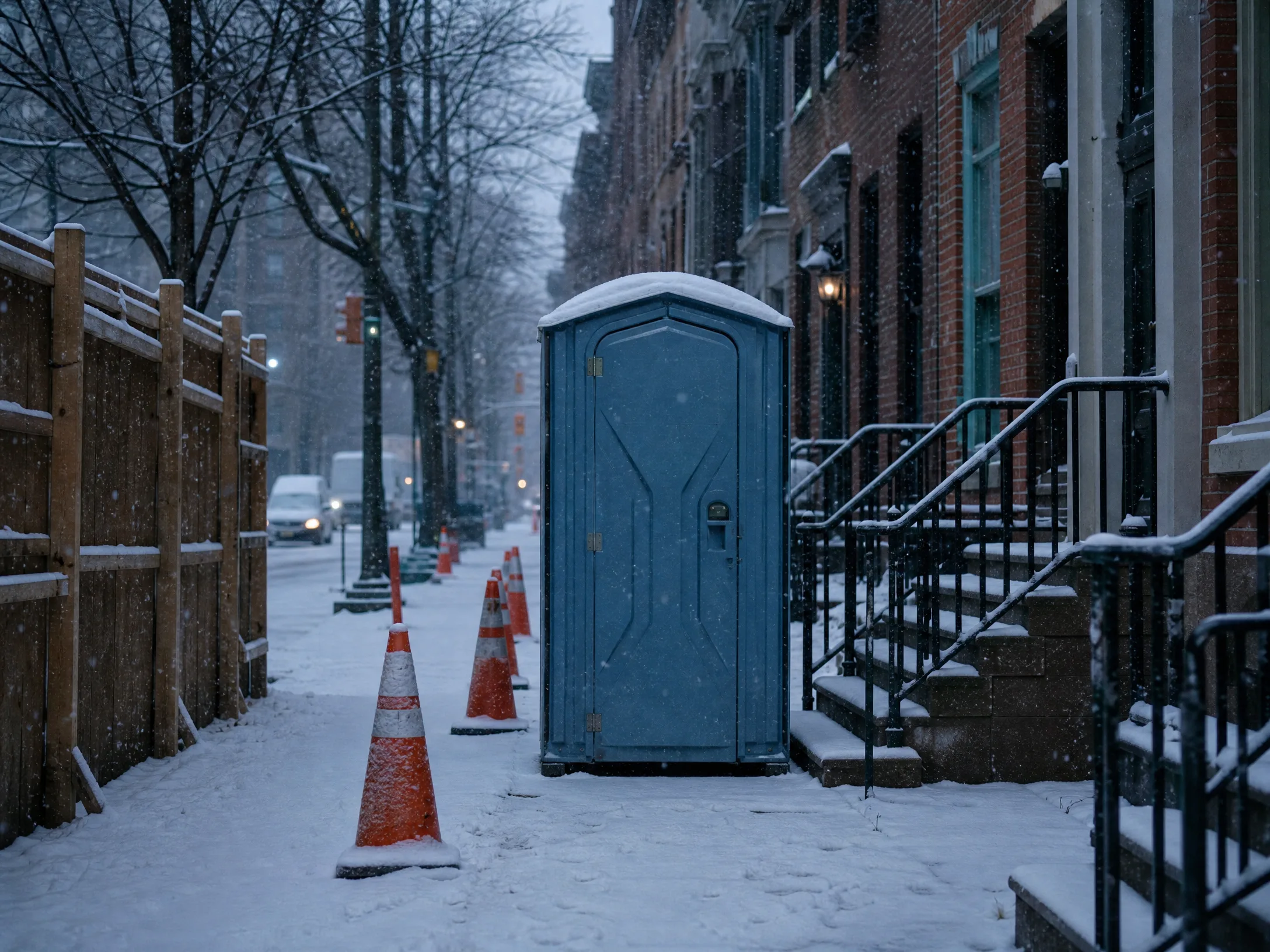
It depends on the spot, not the unit itself. If your project keeps the toilet on private land, driveway, yard, parking lot, you're generally clear without paperwork from the city. The moment a unit sits on a public street, in a right of way, or blocks a sidewalk, that's a different conversation, and it's one you need to have with Skokie's permitting office directly, since exact placement rules and any required fee are NOT something we can state here without confirming them ourselves. This is true whether you're renting a standard porta potty for a home remodel or a full restroom trailer for an event. Skokie Porta Pros can help you figure out where placement is simplest, but the final call on public right of way sits with the city, and the same porta potty placement rules apply whether you're comparing a delaware porta potty rental job or one here in Skokie. The same logic applies to a temporary fence rental or a roll-off dumpster staged at the curb. If you're not sure which category your job falls into, ask before you schedule delivery, not after the truck shows up. Portable toilet rental delaware customers run into the same private-lot-versus-street distinction, since it's a placement question, not a state one.
What are the placement rules for a porta potty?
Placement is about clearance and stability more than paperwork. A standard unit runs about 44 by 48 inches on the ground and stands roughly 92 inches tall, so it needs firm, level ground nearby a driveway or work zone, not squeezed against a fence line or under low branches. ADA Standards section 302.1 calls for a stable, firm and slip-resistant surface, which matters even outside formal ADA jobs because it keeps the unit from tipping in soft ground. If you're renting an ADA accessible porta potty, plan for a 60 inch turning circle per ADA Standards 304.3.1 and a 32 inch clear door opening under ADA Standards 404.2.3. For construction sites, OSHA 1926.51(c)(1) sets the ratio: one toilet for 20 workers or fewer, scaling up from there. Our porta potty placement guide covers ground clearance and access in more detail, and our how many porta potties do I need page walks through crew-size math for larger jobs.
Do you need a permit for a dumpster in Skokie?
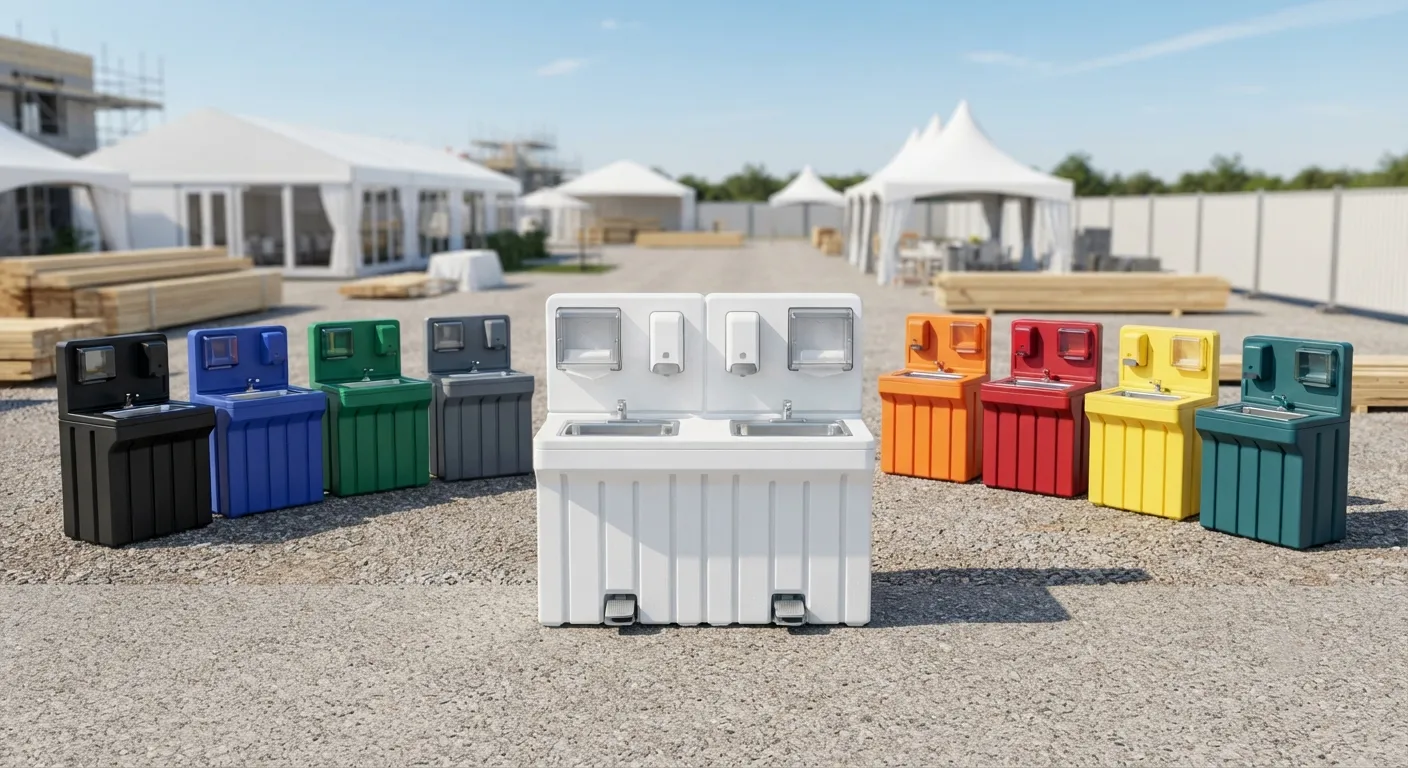
Same rule as the toilets: location decides it, whether you're asking about a roll-off dumpster rental delaware job or one here in Skokie, and the jersey city dumpster permit process follows the same private-versus-public logic even though the office you call is different. A roll-off parked on your own driveway or lot typically doesn't need city approval. One sitting on the street does, and that almost always means a permit from the city, sometimes with a fee attached, though we can't quote a number here since it varies and isn't in our records. Before you book a 10 yard dumpster or anything larger, check our dumpster permit requirements page and call the city to confirm street placement rules for Skokie specifically. Physical space matters too: a roll-off delivery needs about 60 feet of straight clearance behind the truck to maneuver safely, so measure your driveway or lot before delivery day. If your load will include anything questionable, review what cannot go in a dumpster first, since banned materials can hold up pickup regardless of where the unit sits. Weight limits also apply and are covered on our dumpster weight limits page.
What about temporary power poles and site fencing?
A temporary power pole almost always needs an inspection and permit before the utility will energize it, since it ties into live electrical service. If your job site also needs a light tower rental or a temporary power pole, plan for that lead time separately from your sanitation order. Fencing rules are lighter but not zero: a chain link temporary fence around a construction perimeter is common practice under OSHA 1926.202's barricade standard, which references ANSI D6.1 for barricade construction. Keep walkways clear too. OSHA 1926.25 requires scrap and debris cleared from work areas, which matters if your fence line, dumpster and porta potty all sit close together on a tight urban lot. Skokie job sites near Wilmette, about 3.9 miles north, or Niles, 4.5 miles west, run into the same right-of-way questions, so the answer doesn't change much by neighborhood, just by which city desk you're calling. A standard unit rental in Skokie runs from roughly 100 to 350 dollars a day depending on type, and that same private-lot-versus-street rule holds true anywhere you rent.
| Item | Typical Placement Trigger |
|---|---|
| Porta potty on private lot | Usually no permit |
| Porta potty on street/sidewalk | City confirmation needed |
| Dumpster on private driveway | Usually no permit |
| Dumpster on public street | Permit required |
| Temporary power pole | Utility inspection/permit required |
How much does a porta potty rental cost in Skokie?
A standard unit typically runs in the range you'd expect for a day rental, with monthly rates lower per day than short-term ones. Exact numbers depend on duration and unit type; see our porta potty rental cost and porta potty rental per day pages for current bands.
Can I place a porta potty on the sidewalk?
Generally no, not without checking with the city first. Sidewalks are public right of way in most cases, and blocking pedestrian access is treated differently than a unit sitting on your own lot. Confirm with Skokie's permitting office before delivery.
Do construction sites need a specific number of toilets?
Yes. OSHA 1926.51(c)(1) sets ratios by crew size, starting at one toilet for 20 workers or fewer. Our OSHA portable toilet requirements page breaks down the full table for larger crews.
Does a grease trap or septic tank need a permit to pump?
Pumping itself typically doesn't need a permit, it's routine maintenance. A residential septic tank is usually pumped every 3 to 5 years; see how often to pump a septic tank for details specific to tank and household size.
What happens if I place a dumpster without checking first?
You risk a fine or a forced move, sometimes on short notice. Check placement rules before delivery, especially for street-side spots. Our dumpster rental cost page also covers delivery fee ranges tied to timing and access.
Next step
Get a delivery date
Tell us the address, the dates and the headcount. We size the order and confirm the route.