What items are banned from a roll-off dumpster?
Skokie Porta Pros cannot legally haul household hazardous waste, and it costs you time and money if it shows up buried under construction debris. That means paint cans with liquid still inside, motor oil, pesticides, solvents, and anything pressurized like propane cylinders or aerosol cans. Car batteries and other lead-acid batteries are banned too, along with tires, which most landfills refuse outright because they trap gas and rise back to the surface. Electronics with mercury or lead components, like old CRT monitors and certain fluorescent bulbs, usually need a separate recycling drop-off rather than a roll-off dumpster, a rule worth checking against what cannot go in a dumpster before you load anything questionable. Refrigerators and air conditioners fall in the same category if the refrigerant has not been recovered first. If you are gutting a kitchen or bath during a home renovation porta potty project, sort these out before the container arrives. Asbestos-containing material is its own problem and needs licensed abatement, not a dumpster, and the same job site often needs temporary fence rental to keep people clear of the work zone. Wet paint, tar and roofing adhesive that has not cured also gets rejected because it never fully dries in a sealed container. When in doubt on a specific item, check the dumpster permit requirements page or call before loading day, and if the job also needs a dumpster parked at the curb, review porta potty placement guide for similar right-of-way thinking.
Why does it matter what goes in the dumpster?
Contaminated loads get rejected at the transfer station, and that rejection fee lands on your invoice, not ours. A single propane tank or car battery mixed into a 20 yard load can force the whole container to be re-sorted or refused. Weight matters just as much as content: overloading a container built for construction debris with wet materials or dense debris like concrete and shingles can push you over the dumpster weight limits fast, and every extra ton costs more than the base rental. A 10 yard dumpster rental priced as a day rate between 51 and 112 dollars looks different once a hazardous item forces a special pickup. Skokie sees plenty of remodel and teardown work close to the city center, and a mixed-use property near a spot like Oakton Street draws inspection more closely than a rural drop site would, similar to sites we serve out toward Niles or Wilmette. Keeping the load clean also protects the crew that empties it. OSHA 1926.25 requires scrap and debris to be cleared from work areas, and that housekeeping standard only holds up if nobody is tossing batteries or solvent rags into the same pile as drywall scraps.
Can I put appliances or electronics in a dumpster?
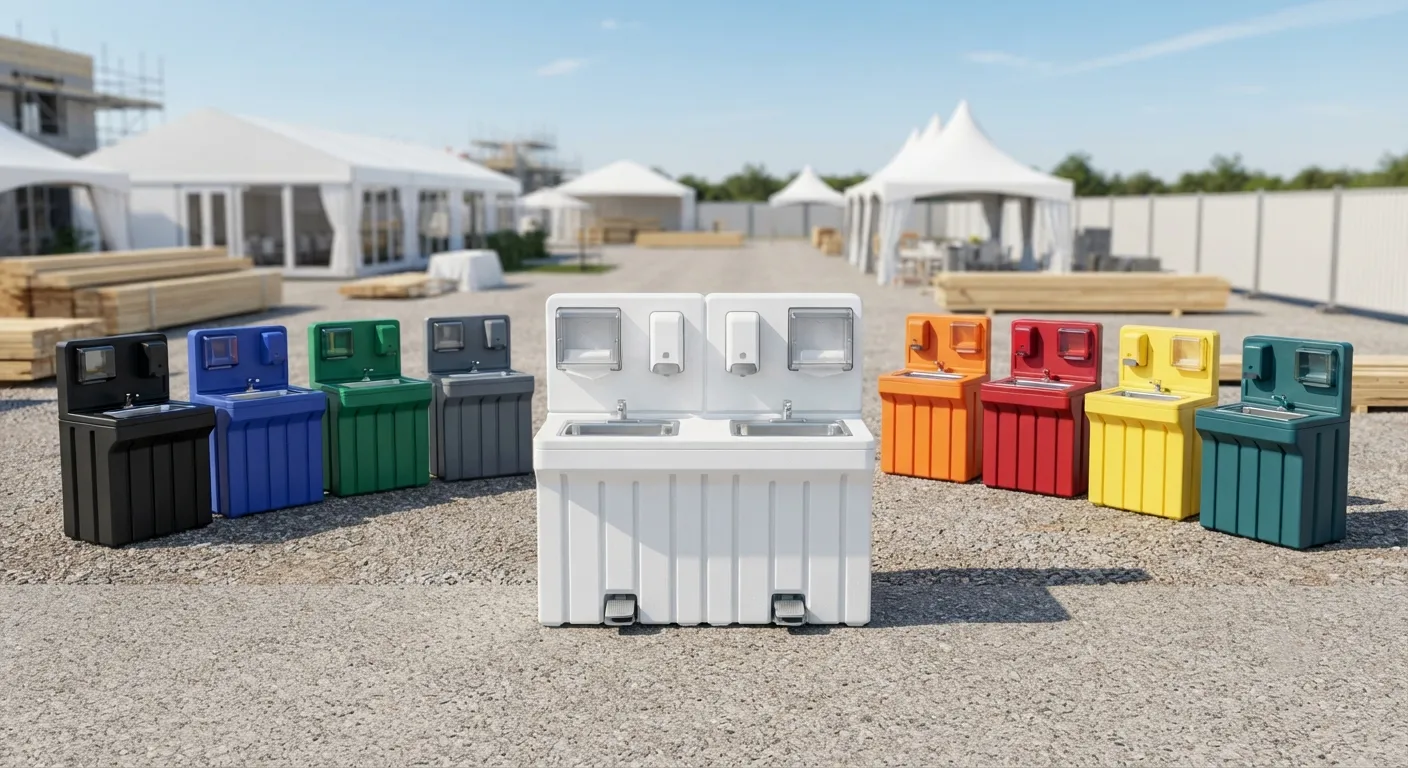
Not without prep work first. Appliances with refrigerant, like refrigerators, freezers and window AC units, need the refrigerant professionally recovered before they can go in, because refrigerant release is regulated separately from ordinary debris. Once that is done, the empty shell is usually fine for a 30 yard dumpster rental or similar container, and pairing it with a handwashing station rental keeps the crew covered on general sanitation too. Electronics are trickier. Monitors, TVs and circuit boards often contain lead or mercury, and most municipal programs route these to e-waste recycling instead of landfill. Small electronics without hazardous components, like a broken microwave or an old toaster, are generally acceptable, but check with your hauler first rather than guessing. If you are clearing out a garage or estate and expect a mix of appliances, furniture and general junk, it helps to separate the electronics into their own pile before the 40 yard dumpster rental or smaller container even shows up. This single sorting step saves a second trip and avoids a rejected load fee that costs more than the sorting time, the same logic that applies when you plan a storage container rental alongside the dumpster for a longer cleanout.
What should I do with hazardous waste instead?
Route it to a hazardous waste collection program rather than the dumpster, and keep it separate from day one. Paint, solvents, pesticides and used motor oil typically need to go to a designated household hazardous waste drop-off, not a construction dumpster, and Skokie residents should confirm current drop-off dates and locations with the city rather than assume a rule that varies year to year. Propane tanks can often go back to a retailer or exchange program, a detail worth noting on any construction site services checklist. Car batteries are usually accepted free at auto parts stores for recycling. For larger commercial volumes, a licensed hazardous waste hauler is the right call, separate from your construction dumpster rental, and the same site plan often lines up a light tower rental for early morning loading. If your project also involves a working restroom setup, pair the dumpster with a standard porta potty rental or a portable restroom rental so the crew has both covered without mixing waste streams. For septic-related work, a separate call to septic pumping service keeps tank waste out of the dumpster equation entirely, since septic solids are handled through a completely different disposal channel.
What happens if I put a banned item in my dumpster by accident?
The hauler usually finds it during pickup or at the transfer station, and either pulls it out on-site or rejects the full load. Rejection fees vary but they add real cost. Tell your driver in advance if you are unsure about an item. It is cheaper to ask before pickup than to pay after.
Can I throw furniture and mattresses in a roll-off?
Yes, most furniture and mattresses are accepted in a standard roll-off. They take up volume fast, though, so factor that into whether a 20 yard dumpster rental is big enough. Check dumpster sizes and dimensions before booking if you are unsure, or see how many porta potties do i need if the same project needs restrooms too.
Is construction debris like drywall and wood okay?
Yes, drywall, wood, shingles and general construction debris are exactly what roll-off dumpsters are built for. Weight adds up quickly with dense material like shingles or tile, so keep the dumpster weight limits in mind before filling it to the top.
Does yard waste count as hazardous?
No, yard waste like branches, leaves and grass clippings is not hazardous, but some haulers price it separately from general debris. Ask when you book so the load matches what you are billed for.
What about paint cans that are already dried out?
Fully dried, empty paint cans are usually acceptable since the hazard is the liquid, not the can itself. Wet or partially full cans are not. When unsure, leave the lid off for a day to check before loading.

Next step
Get a delivery date
Tell us the address, the dates and the headcount. We size the order and confirm the route.